Three Things You Need to Know Before Starting a Super PAC

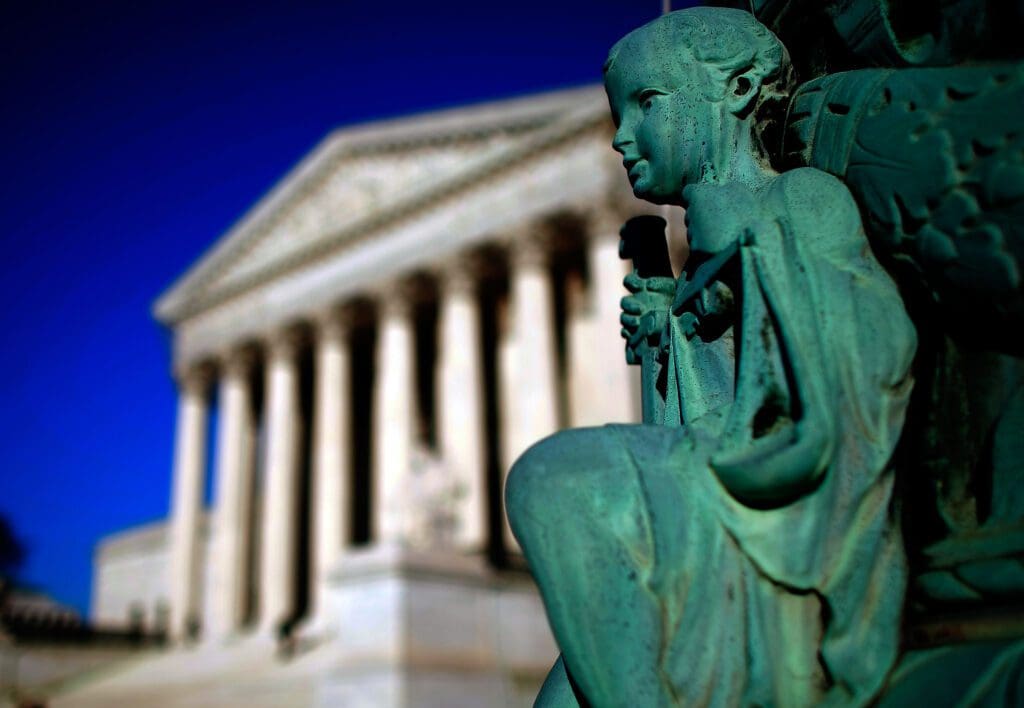
The decision handed down by the Supreme Court in Citizens United v. FEC in 2010 was a watershed moment.
People both decried and hailed the dawn of a new era of campaign finance and the birth of the super PAC. Most Americans read online news stories and encounter frequent mentions of super PACs, but many don’t really understand what they are and what distinguishes them from normal PACs.
In essence, super PACs can accept unlimited sums of money from sources, such as corporations, that candidate committees and traditional PACs can’t. Their purpose is to make independent expenditures – basically to spend money on ads to support or oppose candidates without any cooperation or consultation whatsoever from the referenced candidates. Super PACs are prohibited from making direct contributions to candidate committees.
In the aftermath of Citizens United, it was not clear how many people would avail themselves of this new type of political committee. For example, during the 2011-2012 cycle, there were approximately 857 super PACs that registered with the FEC. The most active one raised and spent $153 million. About half of them raised and spent no money at all.
By the 2023-2024 cycle, the number of super PACs registered with the FEC more than doubled to 2,062. Financial activity also saw a drastic increase. According to FEC records, the most active one raised and spent over $400 million, a little over 300 super PACs raised at least $1 million and approximately 650 super PACs raised no money.
Clearly, super PACs have become more common and, in many respects, more mainstream than the early days when they seemed more mysterious and foreboding. In fact, as of last June, super PACs are the most common type of PAC registered with the FEC.
As a leading compliance company that uniquely has its own firewalled super PAC division, we see firsthand the pitfalls and perils for folks who aim to start and operate super PACs. Here are three key tips for starting one:
1. Just Because You Build It Doesn’t Mean They’ll Come
Before setting up the super PAC and incurring setup fees, compliance costs, attorney retainers and other ongoing maintenance expenses, be sure to have legitimate financial backing.
In other words, you should have serious pledges lined up before taking the plunge. This is not “Field of Dreams.” If you build it in the super PAC world, the money doesn’t necessarily come. This couldn’t be illustrated any better than by the 650 Super PACs that failed to raise any money whatsoever during the 2023-2024 election cycle.
2. Failing to Plan is a Plan for Failure
Make sure the super PAC is set up properly from the beginning. The candidate that the super PAC supports generally cannot help set up or be involved in any of the decision-making of the operation. That would constitute illegal coordination and could land you in tremendous legal trouble.
Legal formalities matter. That is why it is important to hire competent legal counsel and an experienced compliance firm.
3. Time management is key
Super PACs, whether at the federal or state level, generally have time-sensitive reports that need to be filed. Usually, the clock starts upon dissemination of the IE communication. But in some states, it might even start as early as an expense being incurred.
Due to tight turnaround times, this means that the super PAC operators need to communicate early and often with their legal counsel and their compliance folks to make sure that time-sensitive IE reports are prepared and filed on time. Since super PACs often deal with larger sums of money, fines for missed or late reports are often proportionately large.
Since super PACs have become an established thread in the campaign finance tapestry, more people are looking to set up and operate one. Usually, after a presidential election cycle, there is a short political lull in the first quarter of the off-election year. Not this year. This year, our firewalled super PAC division has seen surging demand for compliance services.
Super PACs may have gone mainstream, but given the high stakes, they still require careful attention to compliance.
Bradley Crate is the president of Red Curve Solutions®.
Charles Gantt is the senior vice president of Red Curve Solutions®.