Campaign Workers Union Makes New Inroads Ahead of Midterms
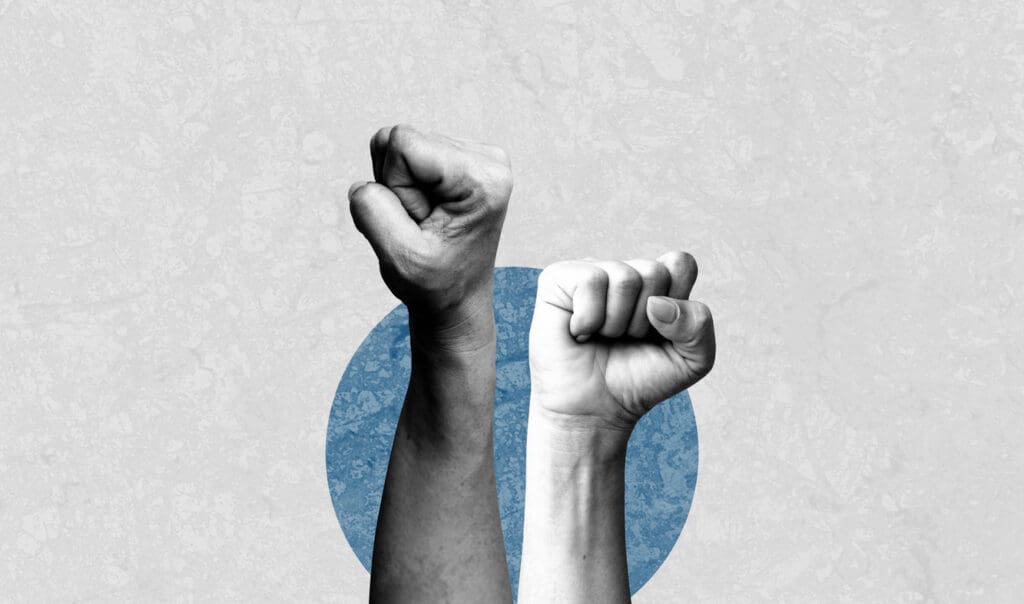
Labor unions are making inroads among Democratic and progressive campaigns workers. (Credit: yaom via iStock)
The main labor union seeking to organize campaign workers is in the midst of a new push to grow its numbers in the final stretch of the 2026 midterm cycle.
The Campaign Workers Guild has seen a roughly 110 percent increase in the number of campaigns that have signed card check agreements with the union since late April, according to union leaders. So far, 57 campaigns – ranging from gubernatorial and congressional campaigns to county and city-wide campaigns – have signed such agreements, the union said.
It’s a big step for campaign unionization. By signing a card check agreement, campaign management effectively agrees to recognize their employees’ union once a majority of workers sign authorization cards. From there, they can sign onto what CWG is billing as a “ready-made” collective bargaining agreement.
Having that kind of turnkey agreement is key in the campaign business, said Ben Silva, a member of CWG’s executive council. In the wider world of labor organizing, collective bargaining agreements can take months, or even years, to negotiate. Political campaign workers simply don’t have that kind of time, he said.
“It’s about setting standards and setting standard procedures,” Silva said. “Because they’re temporary businesses, they just don’t have the framework to have efficient labor relations. Having those things set up improves a lot of the work-life balance.”
The CWG’s organizing push – their “Union Wave” initiative – marks an effort to solve a challenge that has long plagued union organizers in the campaign world. Even as more campaign workers have moved to unionize over the past decade, the process remains difficult, given the tight timelines and unpredictable nature of political work.
At the same time, many in the campaign business remain skeptical – at times, even hostile – to the notion of unionization, arguing that it exacerbates tensions between campaign staffers and management in temporary organizations created for a common purpose: to win elections.
But pro-union advocates argue that union organizing has become increasingly necessary in an industry that frequently demands round-the-clock work, often for mediocre wages and sparse benefits. At the same time, many campaign workers experience intermittent unemployment and a lapse in health insurance coverage between the time their races end and they find new work.
Consequently, said CWG Secretary Annabel Xu, a lot of passionate campaign workers burn out of the industry, or simply decide they can’t afford to stay in the game.
“A lot of folks who come into this work aren’t in it for the money. They really want to make things better. That is 100 percent true,” Xu said. “And it’s a shame if we’re taking all these folks who are passionate about organizing and improving their communities and we’re just running them into the ground.”
As far as CWG’s work goes, the unionization efforts are virtually exclusively on the political left. The union is nonpartisan, Xu said, but has “traditionally relied on intakes” from Democratic and progressive campaign workers, who tend to be more open to labor organizing.
Of course, the hardships faced by campaign professionals are largely the same across party lines. A study released last year by the GOP-aligned Center for Campaign Innovation and headhunting agency Republican Jobs found that many political workers on the Republican side say they struggle with financial and career advancement challenges and a lack of employee benefits.
But respondents to that survey didn’t mention unionizing as a possible solution to those challenges. The study instead outlined a series of recommendations for addressing the industry’s workforce issues, like concerted efforts to provide health insurance and other benefits to campaign workers across election cycles and creating clearer paths to career advancement.
“[Unions] didn’t come up at all,” Eric Wilson, the executive director of CCI, told Campaigns & Elections after the study’s release. “It’s just not really a solution on the right. And I think you’ve seen on the left, it takes on kind of an antagonistic tone.”
Still, the union movement among campaign workers has undoubtedly picked up momentum.
CWG launched in 2017 before helping organize workers on the House campaign of Wisconsin Democrat Randy Bryce – a step that made Bryce’s team the first-ever political campaign staff to unionize. Since then, workers across the Democratic and progressive space – ranging from presidential campaign staffers, ActBlue employees and consulting firm workers – have followed suit.
“The one thing I would emphasize is how quickly, not just this particular initiative, but the idea of campaigns unionizing has grown,” Silva said. “There’s a real hunger for this among political workers.”