The Late Money Problem: Here’s a Playbook to Make Your Late Dollars Count

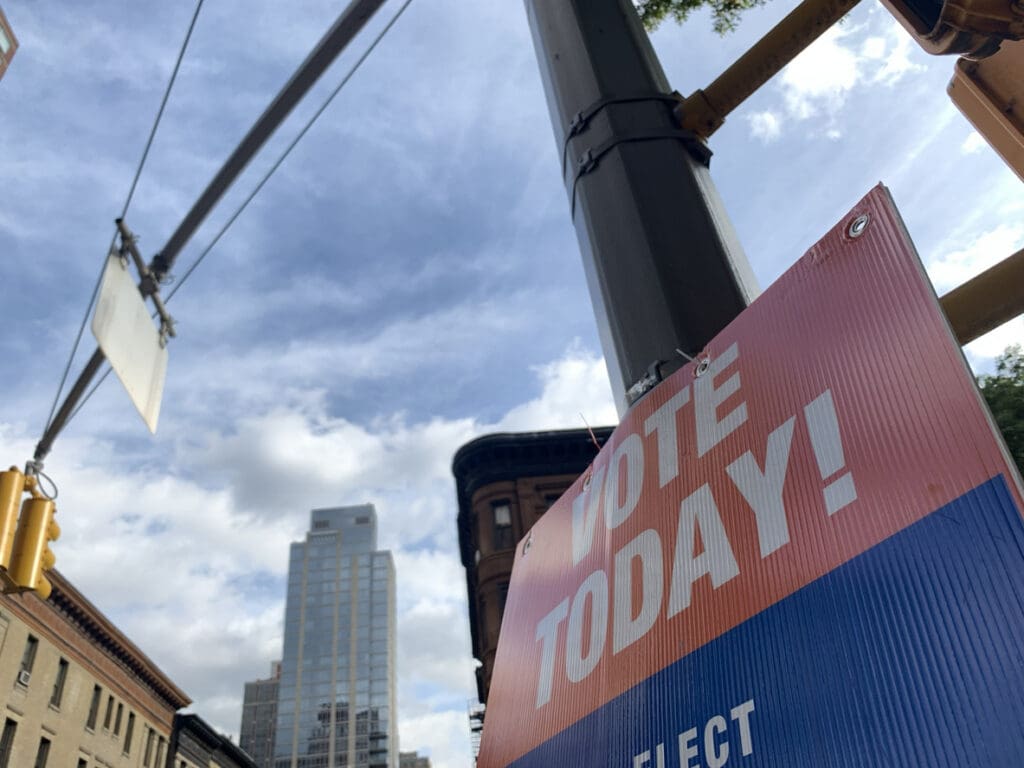
Every cycle, it happens: the late money shows up and many campaigns find themselves scrambling to spend it wisely. That’s partly because late money is notoriously hard to spend well. By the final stretch, quality ad inventory can be tougher to come by (not to mention far more expensive). And this late in the cycle, spending more on acquisition won’t make sense in the majority of races.
So where should those last dollars go? For most campaigns, especially those lower down the ballot, the answer is activation over acquisition. Here’s a playbook you can fall back on ahead of Election Day:
Work the universe you already have
Acquisition makes sense when there’s still runway, but at this stage of the campaign that runway is gone. It’s now time to focus on activation. That means things like re-contacting low-propensity voters, leaning into relational organizing, and helping your already identified voters build a concrete plan to cast their ballot. It also means catching potential problems like signature cures or voter ID issues.
Audit before you spend
Before committing to a focus on any single end-of-cycle tactic, campaigns should take inventory in three main areas:
• Staff: Does the team have the bandwidth to absorb more activation work? Ask whether the bottleneck finding people to contact or finding people to do the contacting?

• Existing outreach: Has a given universe already been hit by mail and digital? Is there a channel for people who engaged but haven’t converted into an action?
• Tools: Can the campaign separate registered and contacted voters from registered but never contacted? Is your voter file current and actively reflecting these variables?
Pick tools that can deploy immediately
Yes, we’re in the final stretch and time is short. But this is when a lot of voters finally start paying attention. The right tools at this stage of the campaign are ones that help identify accessible supporters, educate them, and then promote action. They are also the ones that can be deployed in a matter of days and don’t pile more work onto an already overloaded staff.
Civitech recommends a three step sequence. First, text and phones. Second, canvassing. And third, help create a plan to vote for the supporters who need one. Its RunningMate platform handles the first two steps, combining voter data, targeting maps, and built-in canvassing and phone banking. Its Civic Center tool supports the third by providing a central, white-labeled hub for civic insights up and down the ballot.
And these tools have a track record down-ballot. In a 2025 city council election in Littleton, Colorado, candidate Merrill Stillwell deployed RunningMate to guide targeting decisions throughout his race. Stillwell won with 64% of the vote and outperformed the city’s other winning council candidates by as much as 7 points, while his district posted turnout 6% higher than the other winning races, according to Civitech.
Here’s the lesson for the final stretch this year: the campaigns that make late money count aren’t the ones chasing new audiences. They’re the ones turning the voters they already know into ballots cast.
You already know how few votes can separate victory from defeat in down-ballot races. Leave no stone unturned in the final stages of 2026. See how RunningMate can support last-minute voter outreach today.