From Election Day to Lobby Day One: The Missing Middle

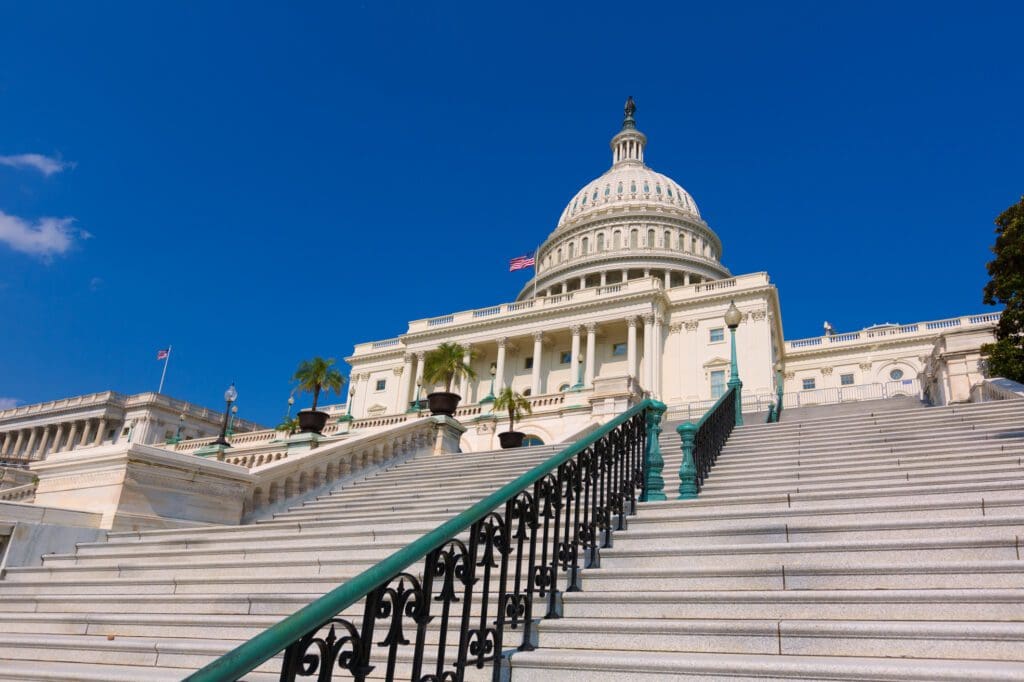
Election Day has become a false finish line – and the political industry keeps falling into the same cycle.
Modern campaigns are engineered to win elections, not to govern. They mobilize voters at scale, assemble fragile but effective coalitions and generate urgency where none existed before. Then, almost immediately after the votes are counted, that entire infrastructure is dismantled. Offices close. Staff scatters. Lists go dormant. Coalitions dissolve.
What follows is a structural failure hiding in plain sight: the missing middle between Election Day and Lobby Day One. It’s the period when electoral momentum should be converted into governing leverage. Instead, power routinely evaporates and the campaign apparatus dismantles.
Why Campaigns Shut Down at Exactly the Wrong Moment
Campaigns don’t disappear after Election Day by accident. They are built to be temporary. Legal entities change, contracts end, donors expect closure, staff is exhausted and ready to move on. All of that is understandable. None of it is strategic.
Campaigns specialize in persuasion, urgency and coalition-building — the very tools elected officials need most in the opening days of governing. Yet, those assets are treated as expendable rather than transferable. The political operation that just proved capable of winning is taken offline precisely when it becomes most valuable.
The industry as a whole has normalized this trend, even as it repeatedly leaves newly elected officials without organized external support. Day One of governing is all the more difficult because a cohesive transition is routinely an afterthought at best and ignored at worst.
Related
How Issue Advocates Step in While Campaigns Vanish
This is where issue advocates often outperform campaigns — not because they are more sophisticated, but because they are built to last.
Advocacy organizations don’t measure success in election cycles. They think in sessions, years and legislative windows. Their infrastructure persists. Their lists stay warm. Their supporters expect engagement, not closure.
When campaigns go quiet after Election Day, advocacy groups move quickly to occupy the space. Or, at least, they should. They engage newly energized voters, reinforce expectations and translate electoral rhetoric into policy demands. In many cases, they become the only organized reminder of what the election was supposedly about.
That persistence matters. Not just for advocates, but for the elected officials who need sustained outside pressure to advance priorities inside their respective chambers.
The Cost of Treating Election Day as the Endpoint
Treating Election Day as the finish line carries real consequences. Coalitions that were carefully assembled for turnout aren’t reassembled for governance. Volunteers who knocked on doors and made calls never hear how their effort translated into outcomes. Voters who supported a candidate on the promise of action see little evidence of follow-through.
The cost is not just political — it is institutional. When campaigns fail to bridge this gap, they leave elected officials isolated, reactive and more vulnerable to other entrenched interests that never shut down in the first place.
Winning an election without a governing strategy doesn’t create power. It creates a fleeting moment. And moments expire quickly.
What Campaigns Should Build Before Election Day
The solution isn’t to turn campaigns into permanent organizations. It is to design campaigns with a post-election handoff in mind.
Before Election Day, campaigns should be asking the following hard questions:
- Which coalitions need to exist beyond Election Day, and who maintains them?
- Which messages are durable enough to survive the transition from campaign rhetoric to legislative reality?
- How will voter engagement be acknowledged, reinforced and redirected after the election?
- What data, relationships and infrastructure are transferable — and to whom?
Campaigns that plan for continuity don’t just help candidates win. They help them govern and ultimately make it easier for them to be reelected when the limelight shifts back to political campaigning.
Building a governance transition plan doesn’t require massive new spending. It requires intentionality and coordination with organizations that will still be standing when the campaign signs come down and the balloons have fallen.
When Winning Coalitions Fail to Govern
The pattern is familiar.
A candidate assembles a broad coalition — issue groups, community leaders, grassroots activists — united by shared goals. The coalition delivers victory. Then, once in office, those same stakeholders are left outside the governing process and uncertain of their role or relevance.
Without structure, communication or clear expectations, coalitions atrophy. Advocacy groups pursue their agendas independently. Elected officials face fragmented pressure instead of organized support. The coalition that won the election never becomes the coalition that governs because they don’t have the infrastructure or foundation to do so.
This isn’t a failure of intent. It is a failure of architecture.
Redefining Victory
Campaigns and advocates don’t have opposing missions. They have complementary ones — if they are willing to coordinate across the artificial boundary we’ve drawn around Election Day.
Victory shouldn’t be defined solely by the margin on election night. It should be measured by whether the infrastructure built to win is capable of sustaining influence once governing begins. The missing middle is where power is either consolidated or squandered. The campaigns that recognize that — and plan accordingly — won’t just win elections. They’ll shape what happens after the votes are counted. Sustaining momentum and transitioning infrastructure from electioneering to governance is a quality campaigns should be judged on right next to the win or loss at the ballot box.
Rob Burgess is a veteran campaign strategist and government relations executive with extensive experience across political campaigns, public affairs, and issue advocacy. He currently serves as CEO of Connector, Inc.
Joshua Habursky is a veteran lobbyist with extensive trade association experience. He currently serves as the Chief Executive Officer of the Premium Cigar Association and is an adjunct professor at George Washington University’s Graduate School of Political Management.