The Coalition Window: Pre-Session Advocacy is a Winning Strategy

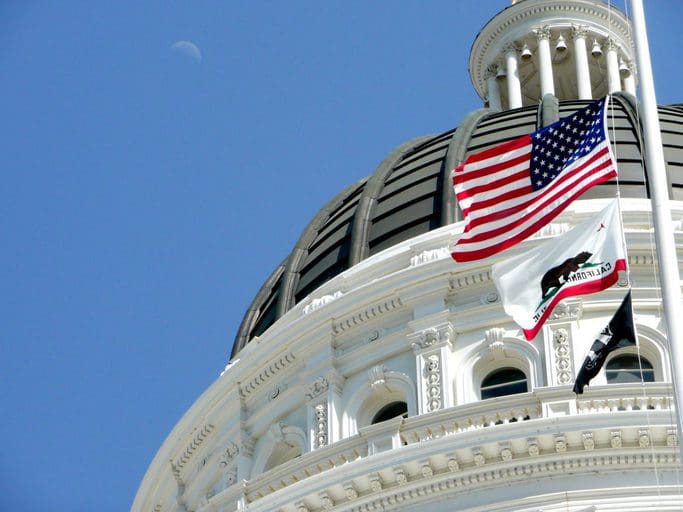
After the first of the year, most state legislatures convene for 2026 lawmaking sessions.
While the halls of state capitals will be teeming with stakeholders and issue advocates, the most effective ones are not waiting for the gavel to drop, but have already begun setting the foundation for success by seizing the pre-session window for maximum impact.
The most important part of that foundation is creating coalitions with spokespeople from every stakeholder impacted by the regulation or policy you’re addressing. These people may ferociously disagree on other matters, but join forces on “that one thing” on which they align.
Successful coalitions are far from accidental. They are strategic, inclusive and grounded in shared purpose. They amplify individual voices into a collective force that can move public opinion, shift policy and drive real change. Today, any successful project in the public eye demands a coalition component.
Here’s how to make them work in 2026, whether you’re seeking local, county, state, or national impact:
Intellectual Foundations, Grassroots Implementation
Great coalitions are intentionally designed. They all include a variety of grassroots individuals combined with strong constitutional, intellectual and cultural grounding.
Related
For example, the Tea Party movement was one of the most impactful grassroots movements of the last generation. But it didn’t just protest; it worked hand-in-hand with national think tanks that provided macro-level research, statistics and economic models for opinion leaders and lawmakers.
It also partnered with issue-specific groups who understood niche areas, like school choice and healthcare, that built up the larger narrative. And they also made sure to make their narratives specific to key states and localities by partnering with local and state-based policy organizations that live and work in the town squares of America.
On the other side of the political aisle, Black Lives Matter was a grassroots organization that was quickly backed by enormous liberal foundations. Intersectionality, DEI and other terms that didn’t exist outside of niche activist circles suddenly became part of the educational, media, corporate and lawmaker lexicon.
And both causes required genuine grassroots concern by citizens spurred to specific actions. Co-opting arguments aside, millions of people dedicated time, careers and their safety to both efforts.
Communicating Beyond the Choir
If an organization is to be effective in coalition outcomes, it also must make a strategic investment in communication and public affairs plans.
Even the best ideas and strongest partnerships will fail if they stay confined to white papers, websites and just-the-choir meetings. Coalition work starts with people and policy, but has limited impact without organized persuasion.
For assured success, any business or public policy coalition must invest in a campaign to communicate its vision clearly and broadly, build trust with the public and legislators and engage the media and the public debate.
If you are a legislative stakeholder, now is the time to start playing the game and perhaps seek advice from experts (yes, even lobbyists). Don’t hedge your bets. Invite and engage every part of your coalition—activists, grassroots groups and policy experts. Think outside the box to identify these partners. Consider President Ronald Reagan’s advice about “80 percent friends.”
Legislatures may be out of session, but legislators and their staff are working. They are still answering the phone, following social media and reading op-eds. Your editorials, press releases and social media posts should be flying off the shelves—now. This is not the time for a poker face; this is the time to lay all your cards on the table for citizens and legislators to read, digest and champion.
Continuing America’s Coalition Tradition
From its first chapter, the American story has been a testament to an enduring coalition model. The Pilgrims’ survival was assured by their partnership with the Wampanoag Tribe, and our independence was secured by alliances with France, Spain and Holland.
More than four centuries later, nothing has changed. Progress and prosperity still depend on a collective effort.
In addition to Pilgrims and patriots, it was a coalition effort that encouraged abolitionists to call for the end slavery, persuaded Woodrow Wilson to change his opposition to women’s suffrage and shepherded 27 Constitutional Amendments through state ratification. And all the loud and influential stuff happened in public well before any votes were cast.
The lesson from every successful coalition in history still stands: coalitions that work together, defining and promoting their shared goals are the ones that control the narrative and continue to shape our nation.
Progress is a team sport and it is early coalition and communications strategies that score legislative wins. Time to suit up!
Kerri Toloczko is Director of Public Affairs for Proven Media Solutions and has been successfully organizing and managing coalitions in Washington, DC and across the country for over 30 years.