Latino Gen Z Could Tip the Scale in 2026: Are Campaigns Paying Attention?

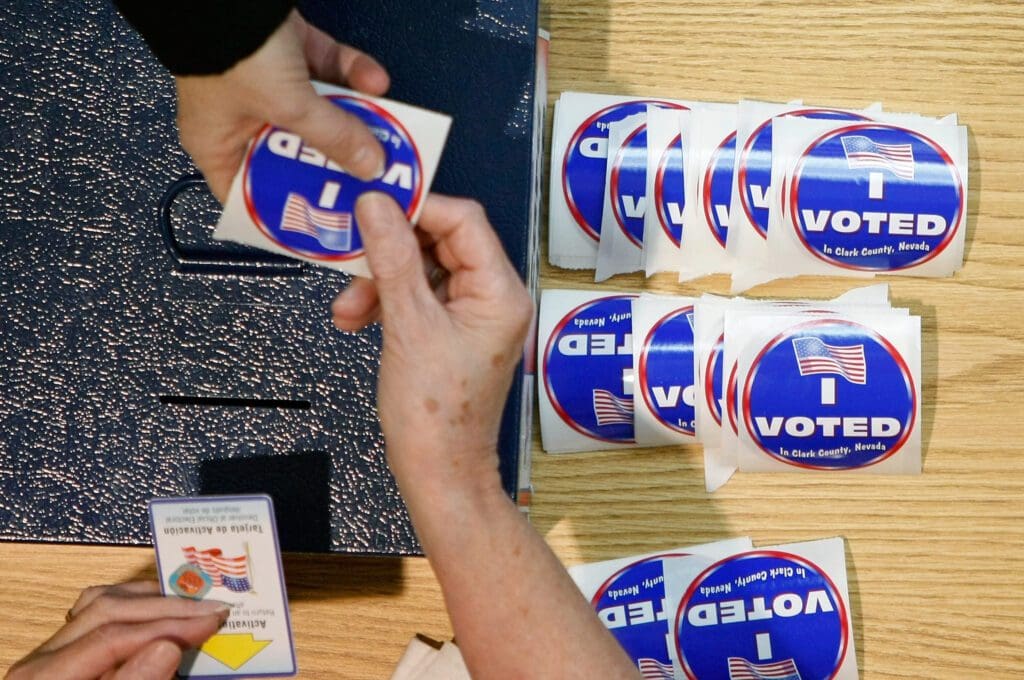
As the 2026 midterm elections approach, Generation Z is rapidly emerging as a decisive electoral force.
In the 2024 election, approximately 41 million Gen Z Americans were eligible to vote, including nearly 10 to 11 million Latino voters, according to the Tufts University Center for Information and Research on Civic Learning and Engagement. By 2026, that number is projected to grow to nearly 48 to 49 million eligible Gen Z voters, with an estimated 12 to 13 million identifying as Latino. That represents roughly 7 to 8 million new voters overall, including about 2 million Latino youth aging into the electorate.
These shifts reflect the rapid expansion of Gen Z voting power and the growing influence of a younger, more diverse electorate that could play a pivotal role in shaping the outcome of the 2026 midterms.
I learned early on how much a relatively small number of votes can matter. I once watched a local city council race in Iowa come down to just 200 votes. At the time, more than 400 Latino voters were eligible to participate — twice the number needed to change the outcome. The candidate was running to become the first Latino city council member in that area, and losing by such a narrow margin left a lasting impression on me. In a community that is often underserved, that result made clear how much representation can matter.
Since then, I have made it a point to advocate for the Latino vote in any way I can. In 2019, I helped organize the first Latino presidential forum in Des Moines, Iowa, and the experience taught me a great deal. One of the biggest lessons was that many Latinos do not have access to the education, information or resources needed to make fully informed voting decisions. Too often, this is a community that gets overlooked in traditional campaign strategies.
That lack of access does not disappear overnight. Many people go on to build families, and their children often inherit the same limited exposure to civic education unless they independently develop an interest in politics or pursue it academically.
Related
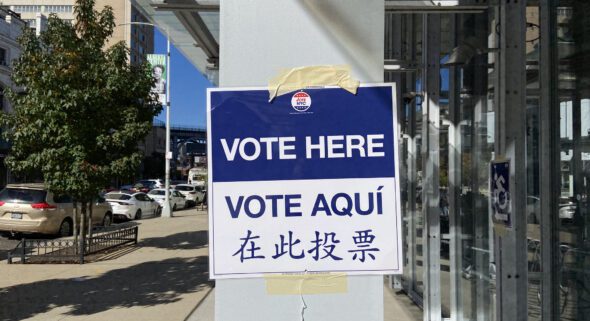
I also learned during that forum that voter engagement often increases with age, and many people do not begin paying close attention to local elections until later in life. That has stayed with me, especially as the political stakes have continued to rise for Latino and other underserved communities.
At the same time, younger Latinos – especially Gen Z voters – are becoming more vocal and more engaged than previous generations were at the same age; they are joining conversations earlier, forming opinions earlier and paying attention earlier. For campaigns, that creates an enormous opportunity.
But opportunity only matters if campaigns know how to communicate effectively. Reaching Latino Gen Z voters requires more than a basic translation of English-language messaging into Spanish. It requires bilingual and bicultural communication that feels authentic, culturally aware and relevant to the people receiving it.
That is why I co-founded Hispanic Political along with other bilingual voice actors who want to help campaigns adapt their content into Spanish through professional translation and voiceover services.
For campaigns that want to connect with Latino voters in a credible way, that level of care matters.
Candidates who want to connect with Latino communities cannot rely on outdated outreach methods. They need communication that reflects how Gen Z actually moves between language, culture and identity in everyday life. They need content that feels human, not generic. And they need trusted bilingual support that helps the message land with clarity and authenticity.
Education remains central to that effort. Civic education matters. Accessible information matters. And assumptions about prior political knowledge can be a barrier when they are not challenged. In the campaigns I have helped with, this approach has been effective. When you invest in educating and engaging Latino Gen Z voters early, the impact is real.
My message is simple: do not overlook the Latino Gen Z community. Do not let 200 votes determine the outcome of your campaign or your election. The voters are there. The growth is there. The opportunity is there. The question is whether campaigns are ready to meet them.
Jessica Trinidad and Jhoana Nichols are the co-founders of Hispanic Political, which provides high-quality audio and content production for the Latino community.