Political Pros Weigh the Pros and Cons of AI
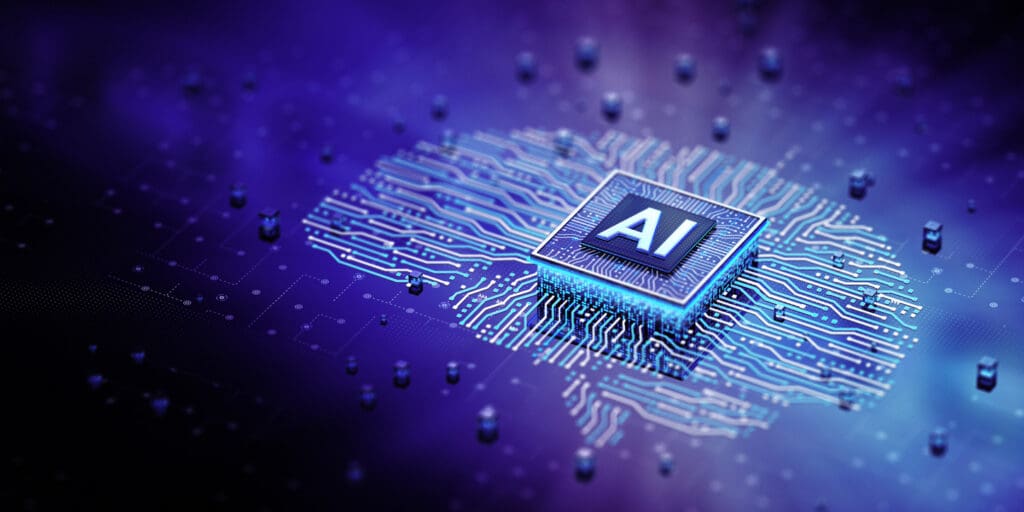
AI Chip technology concept. 3D render | BlackJack3D via iStock.
Artificial intelligence is embedding itself in the daily work of political consultants and campaigns. A recent survey released by the American Association of Political Consultants found that more than 8 in 10 political professionals use the tech at least a few times a week.
Still, industry professionals have questions about AI: how to best use it, how far to push it and what it means for the future of campaigning. Campaigns & Elections asked practitioners to share their candid thoughts on the benefits and drawbacks of AI. Here are some takeaways:
Losing Control of the Narrative
For one Republican digital strategist, the rise of AI search tools remains a huge question mark for campaigns.
“How do we make sure our message – our narrative – is breaking through?” the strategist said.
In short, more and more people are turning to AI chatbots like ChatGPT or Claude with questions about politics. Google, meanwhile, is increasingly offering AI summaries to answer users’ inquiries. In turn, fewer voters are clicking on news articles, campaign websites or social media pages for information. They’re trusting the AI.
“People are going to ChatGPT to ask about politics. They’re Googling things and getting an AI summary,” the strategist said. “But getting an AI chatbot or an LLM to spit out the answer you want it to spit out is, I think, a big challenge that we’re all dealing with right now.”
“Yes, you can still try to influence the narrative on social media or on TV or in the news,” he added. “But AI is still a big mystery for so many of us. How do you know it’s going to pick up on what you want it to pick up on? Whoever can figure that out is going to be a very rich person.”
AI’s Earned Media Potential
One Republican ad maker who spoke to C&E argued that there’s a little-talked-about upside to AI-generated content: earned media.
“You’re seeing more and more campaigns using AI-generated content in ads, right? Some of it’s good, some of it’s pretty bad,” the ad maker said. “But the one thing they have in common is they get attention. The media loves to cover it, and I’m usually of the mindset that most press is good press.”
There’s a growing number of examples of AI-generated ads and videos that have received close national attention. Last fall, for example, Rep. Mike Collins’ (R-Ga.) campaign released a deepfake video featuring an AI-generated version of Sen. Jon Ossoff (D-Ga.) making statements he never actually made.
That video drew intense scrutiny and criticism from Democrats – and some Republicans. Still, the production was covered by news outlets, both in Georgia and nationally.
“If you’re a candidate running for a state legislative seat, if you’re trying to increase your visibility, AI can help with that. Yeah, be careful with what you put out there. But I think the attention angle is kind of an overlooked aspect of AI content.”
The Workforce
There’s another question that’s still without a clear answer: What will AI mean for the future of the political workforce?
“There’s this massive pressure to use AI for the ‘boring stuff,’ right? But I worry that a lot of that stuff is work that would have been put on more junior-level people that helped them learn the ropes,” one Democratic consultant said. “So I guess I’m curious about what happens to the next generation.”
Of course, the consultant conceded, working in politics may just require different sets of skills in the future, “just like when campaigns started moving online and younger, more digitally savvy people moved in to fill those roles.”
“Politics is still a very human thing though. Efficiency is important, but I don’t want the desire for more and more output to replace the human aspects of the job.”