The Power of the Phone: Why Voice Still Outperforms in Modern Campaigns


At a time when digital channels are more crowded, filtered, and mistrusted than ever, campaigns are rediscovering the value of a channel that has quietly evolved into something far more powerful than most assume: the phone.
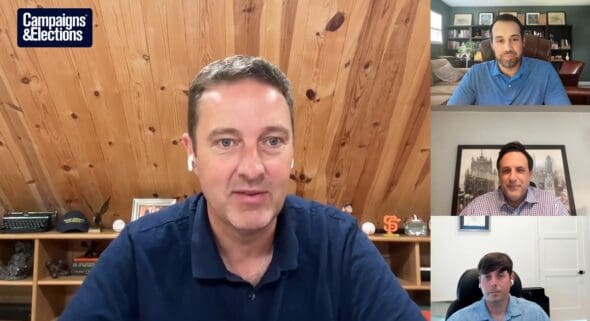
In a recent webinar hosted by Campaigns & Elections in partnership with Enghouse Insights, campaign professionals explored how modern phone-based outreach powered by data, automation, and analytics is helping campaigns drive engagement, uncover insights, and mobilize voters more effectively across the entire campaign lifecycle.
Rather than competing with digital channels, today’s phone programs complement and amplify them. When used strategically, phone outreach becomes the connective tissue between data, message, and human interaction.
Human Connection in a Fragmented Media Environment
Voters today are inundated with emails, ads, texts, and social content. Open rates are declining, algorithms limit reach, and trust in political messaging continues to erode. Phone outreach cuts through this fragmentation by reintroducing something other channels struggle to deliver: real human contact.
Live calls consistently outperform digital-only tactics when it comes to engagement and persuasion. They allow campaigns to listen, not just broadcast, capturing stories, sentiment, and nuance that rarely surface through clicks or form fields. Research shared during the webinar highlighted that live phone conversations can increase turnout by 3 to 4 percent, on par with door-to-door canvassing.
Related
Just as importantly, phone outreach reaches voters across demographics, including mobile-first audiences who are often missed by traditional digital sampling.
Virtual Call Centers: Scalable, Flexible, and Volunteer-Friendly
Modern phone outreach no longer requires physical call centers or dedicated infrastructure. Today’s platforms allow campaigns to run fully virtual call operations, enabling volunteers to participate from anywhere using only a browser.
These systems give campaign managers real-time visibility and control, including:
- live monitoring and coaching tools
- whisper and barge functionality for volunteer support
- seamless call transfers when situations escalate
This approach not only lowers operational barriers but also improves training, consistency, and volunteer confidence, which are critical factors during peak campaign periods.
Phone Outreach as a Research and Strategy Tool
One of the most underutilized strengths of phone outreach is its ability to generate high-quality insights, not just contacts.
Phone-based polling and research allow campaigns to:
- ask open-ended questions and capture richer responses
- explore voter motivations, concerns, and language in depth
- test messages, creatives, and audio content in real time
- reduce bias by combining live, IVR, and online methodologies
Unlike web or mail surveys, phone conversations give respondents space to explain why they feel a certain way, insights that directly inform messaging, targeting, and platform development.
IVR and Automation: More Than Broadcast Messaging
Automated calling, often oversimplified as robocalls, has evolved into an interactive, data- driven engagement channel. When designed well, IVR enables campaigns to scale outreach while still collecting meaningful input.
Modern IVR programs can:
- ask questions and capture structured responses
- route voters to live agents when needed
- tailor messaging based on voter data such as language, location, or issue priority
- prompt micro-commitments, such as pressing one to confirm intent to vote, which increases follow-through
IVR is especially effective for reminders, rapid polling, and Get Out The Vote efforts, particularly when paired with live follow-up for voters who need assistance.
GOTV: Solving Problems, Not Just Sending Reminders
Successful GOTV programs focus on removing friction, not simply repeating messages. Phone outreach excels here by allowing campaigns to identify and address real voter needs, from transportation to polling locations to last-minute questions.
Blended approaches work best. An automated call can initiate contact at scale, while live agents step in to provide help, clarity, or reassurance when voters engage further.
Multi-Modal Outreach: Meeting Voters Where They Are
The most effective campaigns no longer rely on a single channel. Instead, they use multi-modal outreach strategies that combine phone, digital, and online engagement into a cohesive system.
Common approaches include:
- starting with low-cost digital outreach, then following up by phone
- recruiting respondents by phone into online or IVR surveys
- blending live calls with IVR to capture inbound call-backs
- integrating phone data with email, text, and web tools in real time
This approach improves reach, reduces sampling bias, and ensures campaigns connect with voters on their preferred terms, without sacrificing efficiency or insight.
What to Look for in Modern Phone Technology
Choosing the right phone outreach platform is critical. Campaigns should prioritize solutions
that support scale, compliance, and intelligence, including:
- advanced list and calling rule management
- time zone and segmentation controls
- unified dialer and phone systems
- multilingual support
- real-time monitoring, reporting, and analytics
- easy data export and rapid analysis for decision-making
Just as important is compliance. With evolving regulations at both the federal and state level, campaigns must ensure their outreach programs align with TCPA and other applicable rules, working closely with legal teams to stay ahead of changes.
The Takeaway
The phone is no longer a standalone tactic or a fallback channel. When paired with modern technology, it becomes a powerful engine for engagement, insight, and action, strengthening digital efforts while restoring the human connection that campaigns need to earn trust and mobilize supporters.