The Spam Folder Is Coming for Political Texts. Here’s How to Stay Ahead

Let’s be honest. Mobile phone carriers didn’t build spam filters because they hate political campaigns. They built them, at least in part, because voters hate political calls.
If you’ve targeted a voter for ID or persuasion, chances are they’re also getting dozens of texts and calls every week through the summer and fall, from your opposition and from every other race up and down the ballot.
Citizens United v. FEC, whatever your view on it, has undeniably opened the floodgates on political spending, and the vast majority of that money goes to buying more ads, calls, texts and mail than ever before. A lot of it is spam, and the carriers are protecting their customers from an industry that has earned that reputation. We are, collectively, the baddies.
CampaignHQ is one of the most well known phone vendors in Republican politics, and I recently had their Chief Client Officer Ken Tracy on an episode of “The Art of Campaigns” podcast. He told me that, in his experience, around 80 percent of phone numbers on voter files are for cell phones. Unlike every other contact channel, the phone goes everywhere the voter goes, and that’s true whether they’re 25 or 75.
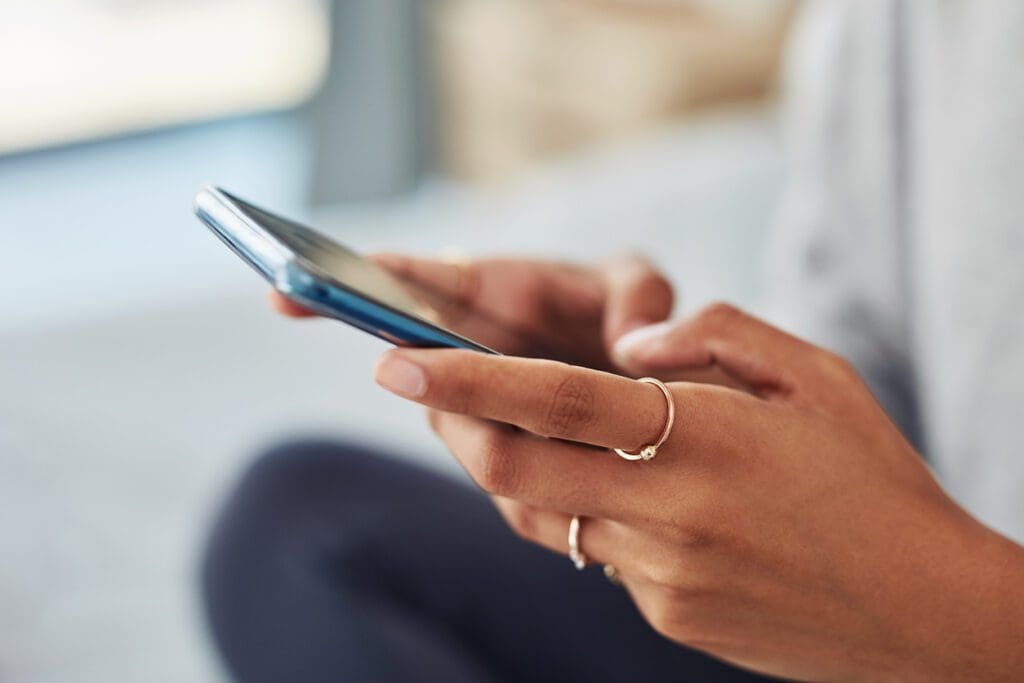
All of this means that unlike any other way of contacting voters, your texts, calls and ringless voicemails are likely to be seen in real time by most voters.
Androids have been filtering text messages into a spam folder for years, and that same thing is now happening on iOS, making it standard across just about all devices. Similarly, with visual voicemail, voters are now more likely to read your voicemail than listen to it. It doesn’t take a psychic to see the imminent future where those messages are getting filtered off into a spam folder as well. Getting your message in front of voters means the message needs to be worth reading and your number needs to be clean.

Any time you can turn a disadvantage into an advantage that only you are capitalizing on, you’re creating a strategic edge over your opponents. If your texts avoid the spam folder while your opponent’s don’t, your message is being seen and theirs isn’t. If your voicemail script makes for an engaging read as a transcript rather than needing to be listened to, you get a second point of contact that your competitors are losing out on.
The team at CampaignHQ have been experimenting with new techniques that help maximize phones, and what they found was that deliverability held and response rates actually went up.
Here’s what they’re doing:
1. Stir/shaken compliance is something I had never heard of before this conversation, so thank you to Ken for enlightening me. If you’ve ever sent out a large text program and noticed one number getting rejected at a suspiciously high rate, it’s probably because a scammer used it before you did, and the carriers have no reason to believe you’re not them. Stir/shaken is a protocol which sends a signal to the carriers to tell them the number isn’t being spoofed, and you’re a real person sending real texts. Next time you buy calls or texts from a vendor, ask them about it – and make sure they’re compliant.
2. Merging fields with customized information makes a bigger difference than you’d think. Things like the voter’s name, their polling location or other personalized information make the message feel like it’s aimed at the individual person rather than a mass broadcast sent out to the whole population.
3. Time-sensitive messages are more likely to interest people – and the spam filter knows it. Try something like an invite to an upcoming event, a reminder about a vote deadline coming up, comments about a recent news article or study relevant to your race, or info about an upcoming debate or candidate forum.
4. Your voicemail script is showing up as a text transcript whether you planned for it or not. The voter who ignored your call might still read your voicemail three minutes later. So, skip the script that sounds like a press release and remember there’s a real person on the other end of the line. If you can intrigue them enough to actually listen to it, your voicemail can become two points of contact for the price of one.
5. Finally, with both calls and texts, plan for the home screen. This is where folks will see your call come through and read your text or voicemail. You only get a few characters in the home screen preview, so make the first part of your message really count. We’ve become accustomed to writing hundreds of characters, but unless something makes voters want to click and read the whole thing, you’re getting swiped away to oblivion. Back when texting first arrived on the scene, we only got 160 characters. Now, we’ve practically come full circle. You have to make the opener really count.
I’ve seen vendors explain away all of these things, saying things like “at least you’re building name ID.” But name ID alone is not a strategy, and a message that gets filtered before it’s read is worse than useless. When you have a direct line to a voter, you have the opportunity to actually connect with them, and that means being creative, being relevant and being ready to have a real conversation.
Think of sending a text to voters in a neighborhood before volunteers walk it, a tactic Ken calls “warming the doors”. Or more simply, try an invite to tonight’s tele-town hall or next week’s meet-and-greet, where you can connect more intimately. Maybe ask a question about an issue they’re modeled to care highly about. Then, when they respond, you can show them you’re a real person and start building the blocks of a deeper relationship.
Spend 10 extra minutes on your next script, imagining you’re the voter getting it at 6 p.m. on a Tuesday, and ask yourself, honestly, whether you’d read it.
Caitlin Huxley bridges data and strategy to help moderates win close races, leveraging 15 years of experience. She’s the author of Ancient Wisdom for Modern Campaigns: Lessons from Sun Tzu’s Art of War.