What Democrats Can Learn from the Texas and North Carolina Primary Turnout Surge

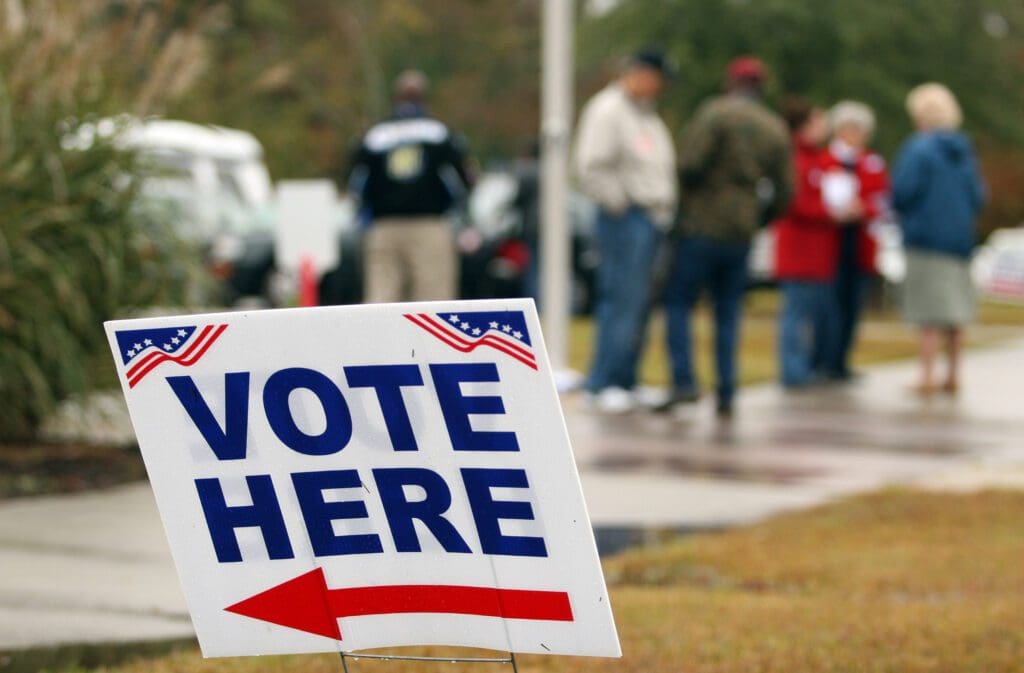
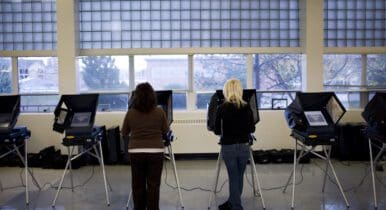
Democrats in North Carolina delivered something unexpected last week: the largest midterm primary turnout in more than 60 years, even without a hotly contested, head-to-head statewide contest driving voters to the polls.
Meanwhile, Texas Democrats, buoyed by state Rep. James Talarico and Rep. Jasmine Crockett (D-Texas), delivered the largest midterm primary turnout since 1970.
On its face, a surge of this magnitude can tempt primary candidates to draw a straightforward conclusion: If Democratic voters are this energized, the smart play in 2026 is to go big and connect with every registered Democrat, blanketing the electorate with ads and letting enthusiasm do the rest.
That would be a big mistake.
If anything, the turnout spike we are witnessing is a reminder that primary electorates are dynamic, and that dynamism makes tailoring voter engagement to specific groups of voters more important, not less.
The landscape for the 2026 midterms reinforces the point.
Related

More than 60 members of Congress have announced retirements, creating one of the largest turnover waves in modern history. At the same time, experts anticipate an unusually high number of incumbents will face credible, well-funded primary challenges. Open seats and embattled incumbents mean more candidates, fragmented vote shares and earlier voter fatigue.
In that kind of environment, political oxygen is limited. Even in primary contests between only two candidates, small, highly specific slices of the electorate can be decisive. After all, campaigns are not competing for the votes of all Democrats. They are competing for support from the relatively small universe of voters that will actually cast ballots in a specific primary.
Virginia offers a useful case study on why this distinction matters.
In 2025, the Commonwealth saw the highest Democratic primary turnout in decades. That kind of statistic sounds like an argument for casting the widest possible net. But turnout propensity data told a different story. Even among voters with the highest likelihood of participating, those who almost never miss out on voting in an election, more than one in three still did not vote in the 2025 Democratic primary.
In other words, record-breaking turnout still meant hundreds of thousands of Democratic voters stayed home. For campaigns, that is not just an interesting data point. It is strategic guidance. If even the most reliable voters are inconsistent in primaries, campaigns that assume enthusiasm equals universality risk wasting time and resources on voters who simply will not participate.
For Democratic incumbents and primary challengers alike, the lesson is simple: high turnout does not eliminate the need for targeted voter engagement – especially online. It heightens it.
When turnout expands, the electorate becomes less predictable, not more. A surge brings in irregular voters, first-time participants and people who do not behave like the traditional primary base.
That volatility makes precision more important. Campaigns must distinguish between the Democrats who are certain to vote, those who might vote and those who will not, and then concentrate resources on the segments that can realistically be persuaded or mobilized.
In today’s Democratic primaries, that often means younger voters who participate inconsistently and are difficult to reach, multilingual communities that are routinely under-engaged or contacted in the wrong language, highly engaged ideological blocs concentrated in particular neighborhoods or around specific issues, and late deciders navigating low-information, often crowded contests.
Targeting these voters cannot live in a silo. It must be embedded throughout the campaign, from field operations and direct mail to digital advertising, which offers the best options for precise, repeated engagement. Each component must reinforce the others and intentionally focus on the right communities for impact in the primary. In crowded fields where margins are thin, that cohesion and precision can determine whether a campaign breaks through or blends into the noise.
The urgency of that integration is heightened by how dramatically media consumption has shifted in recent years. Streaming, digital audio, social platforms, gaming consoles and other emerging channels now command the attention of key Democratic constituencies, including younger voters and diverse communities that may be less reachable through traditional means.
But the lesson is not simply to chase new platforms. It is to use every channel with purpose and discipline, ensuring that tailored messaging repeatedly reaches core constituencies where they actually spend their time and in the ways they prefer to consume information. It’s an approach the Trump campaign used to great success in 2024.
When campaigns align all of their voter contact efforts, they move beyond scattershot communication and toward intentional engagement.
Turnout from North Carolina and Texas is encouraging. It suggests Democratic voters are engaged, enthusiastic and paying attention. But energy is not universality. Record-breaking turnout does not mean every Democrat votes or that every voter can be reached efficiently through mass communication tactics.
If anything, heightened engagement increases competition. More voters stepping up means more candidates and super PACs competing for their attention earlier and more aggressively.
Democratic primary winners in 2026 will not be those who shout the loudest or reach the most people. They will be the campaigns that understand which voters matter in their specific primary, meet them where they actually consume media, and deliver disciplined, repeated contact over time.
Energy creates opportunity, but strategy determines who captures it. In a volatile primary electorate, scale without precision is just noise, and in 2026 the Democrats disciplined enough to focus on the primary voters who truly matter will be the ones moving on to November.
Mark Jablonowski is a Democratic strategist and technologist, serving as CEO of DSPolitical.