More Money, More Performance: Getting More Value Out of Late Spend

This midterms cycle is on pace for a record year.
Kinetiq Political Insights projects political ad spending will reach nearly $12 billion this midterm cycle. With more money comes more scrutiny, and campaigns need a sharper way to decide whether their next dollar should go toward more reach, more frequency or a different path altogether.
Extrapolating on past performance isn’t the way forward. A channel that efficiently built reach earlier in the campaign may start serving impressions to voters who have already been saturated with the message. A market that once had plenty of inventory may become overcrowded. Meanwhile, there could be another channel, platform or audience segment with pockets of untapped voters.
So, how should you think about these final days?
Think at the Margins, Where Campaigns Are Won
Campaign reporting often focuses on the aggregate – total impressions delivered, people reached, average frequency or dollars spent. Those are useful metrics, but late in a campaign, they eclipse what’s most important: the incremental value the campaign sees at this stage.
Here’s an example: Ahead of a competitive primary, a recent campaign tested a refined, data-driven CTV audience against its standard targeting approach to reach persuadable voters aged 35-plus. The refined audience leveraging vote history, demographics and viewership data delivered 109 percent higher incremental reach beyond linear TV at a 61 percent lower cost. The more advanced targeting extended reach while lowering the cost per household reached, making campaign media dollars work harder.
Related

Same investment, different value.
At this stage, measuring incremental reach becomes especially important. Campaigns need to look beyond how many voters they’ve already reached to identify priority voters they’re still missing, where they’re concentrated and the additional investments needed to reach them.
Know When Returns Are Diminishing
Diminishing returns don’t equal a defunct channel. It just means that each additional dollar is producing less value than the one before.
There are several signals campaigns can watch for: abnormally high repeat exposure among already-reached households, plateaued unique reach or costs rising as late-cycle competition heats up and inventory becomes more scarce.
These variables shouldn’t halt spending, but encourage a strategic reallocation. Eventually, the juice just isn’t worth the squeeze and campaigns need to find pockets of value elsewhere.
Don’t Treat Channels as Interchangeable
Each channel is a means to the same end, but all serve wildly different functions in how they advance messaging, even from market to market.
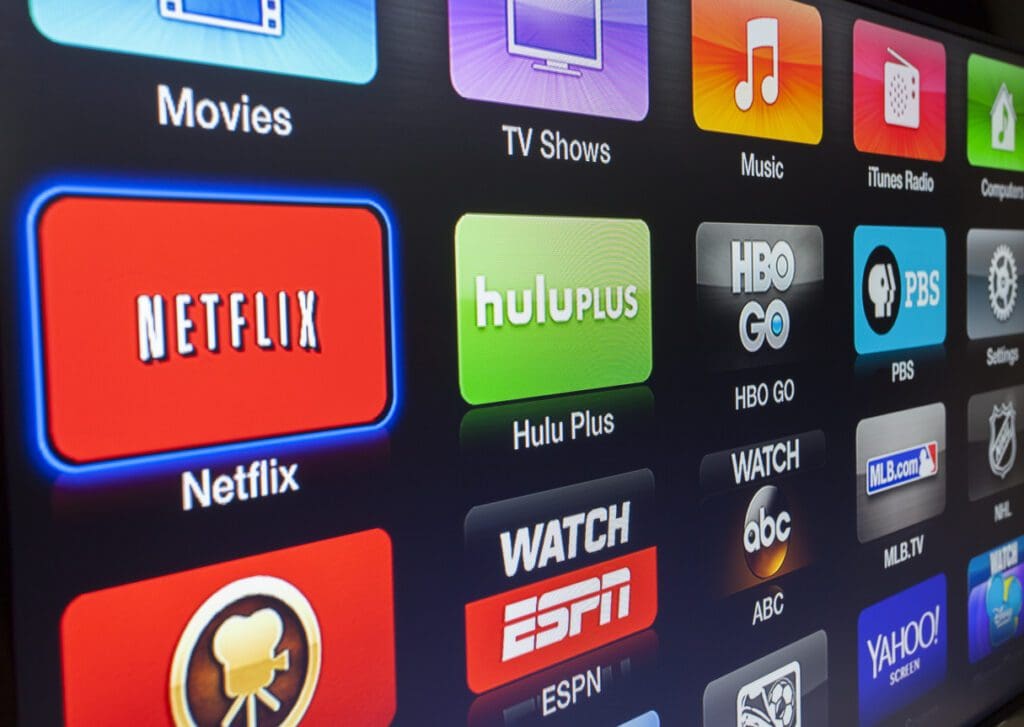
Linear television remains an important scale play, particularly in markets where campaigns need broad exposure. CTV and YouTube often offer more efficient access to addressable or streaming audiences, although available inventory and incremental reach will vary. Digital channels are the best medium for targeting highly-segmented audiences, addressing exposure gaps, boosting frequency and adjusting at the speed of live debates.
There’s no superlative award for “Best Overall Channel” in political advertising. It’s about which is best positioned to reach the campaign’s next objective.
What Practitioners Should Evaluate Prior to Assigning Late Dollars:
- Who are we still trying to reach? Identify priority voters, geographies and audiences with meaningful exposure gaps in frequency.
- Where is the next dollar most efficient? Compare opportunities across channels and markets based on today’s pricing, not what you could buy a point for in July.
- What has changed? Account for inventory, platform availability, competitive spending, timing and creative rotation.
- How quickly can we learn and reallocate? Check in weekly, at a minimum, so the media plan can respond to how it’s actually performing, not just what the media plan assumed.
Late-cycle media plans shouldn’t be etched in stone. Inventory changes,cContests become more or less competitive, competitors increase or redirect spending, audiences become saturated and new opportunities emerge. Experienced campaign practitioners are nimble enough to respond to breaking developments, but now there is more data than ever to measure and predict how their next media dollar will perform down the stretch.
With record spending flowing into the 2026 election, many campaigns will settle for the old adage that “more is better.” But in reality, that often means more frequency to already-saturated – and decided – voters.
Late additional funding needs to take a data-backed approach toward finding where those additional dollars unlock outsized value – reaching new voters, boosting low-frequency groups or stealing share of voice from competitors – to help campaigns win on Election Day.
There is no one-size-fits-all answer to whether the next dollar belongs in linear, CTV or digital. It’s where that dollar can create meaningful, incremental impacts in an already saturated environment.
Jesse Contario is the regional vice president for the southeast and political at MiQ.