Why 2026’s Best Campaigns Are Chasing Voters, Not Channels

2026 is shaping up to be the most expensive midterm cycle in history.
Both parties are spending massive amounts of money. Agencies are hiring. And campaigns are moving faster than they did four years ago.
Here’s what I’m seeing: a significant portion of that spending is still being allocated in more traditional fashions – reserve premium inventory early, hope it performs and pay whatever the networks ask. But the best campaigns aren’t just chasing premium channels anymore. They’re also chasing precision.
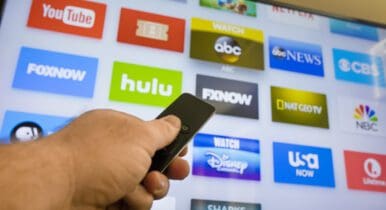
The challenge is that inventory in places like Maine and Alaska is already completely booked. Hulu and premium networks are gone. The costs on remaining inventory are already much higher than they were a few months ago. If you locked in your reservations already, that positions you well. But if you haven’t, or if you’re still looking for ways to stretch your budget, a different conversation is happening now about where your dollars can go.
Audience First, Channel Second
Forward-thinking campaigns are making a subtle but important shift. Instead of asking, “which channel do we want to be on?” they’re asking, “which voters do we need to reach, and what’s the most efficient way to reach them?”
This sounds obvious, but it changes everything about how you approach connected TV. And with more than two-thirds of Americans using CTVs, the rich first-party data and address matching offer campaigns strategic advantages.
Related
When campaigns commit to a premium channel because of its brand or its demographics, they’re paying for the real estate. It’s a bet that being on that channel matters more than reaching the specific voter you need. In a cycle this expensive, with inventory this tight, that bet can become costly quickly.
But what’s possible now is something different. When you know exactly who you’re trying to reach – not just their demographics, but their actual address – you can reach their household directly, on any network, through any publisher. The channel becomes less important than the confidence level in your targeting.
A voter sitting at home watching CTV is watching in one place: their house. That’s knowable. When you can target at the household level, you eliminate the guesswork inherent in broader audience targeting. No lookalike models or approximations, just documented address-level precision.
This is especially valuable on CTV because the environment differs from mobile or social. With a cell phone, voters might be anywhere – across state lines, out of their district, on a plan that doesn’t match their voting address. But when they’re on the couch watching CTV at home, you know exactly where they are and exactly how to reach them. That level of addressable targeting, built now, is what gives campaigns real operational flexibility later.
The Targeting Advantage
The campaigns gaining traction with this approach are building clean audience data and household-level targeting infrastructure before the market gets tighter.
Here’s what that means operationally: flexibility. When you have high-confidence targeting data, you can move budget across channels, fill gaps when one publisher runs out of inventory and reach target voters even when premium placements are unavailable or unaffordable. You can adapt when the market shifts instead of being locked into a single strategy.
This flexibility becomes critical as inventory tightens and impression costs climb. The campaigns that wait to refine their targeting until September may not have many, if any, options. The ones that build this infrastructure now, that understand their exact voter targets months in advance, have choices later.
Supplementing, Not Replacing
If you’ve already made your premium inventory reservations, this is not about discarding them. It’s about what comes next.
Here is an example. You’ve blanketed Maine with CNN inventory. But CNN reaches a certain audience on a certain network. There are voters you still need to reach who might not be watching CNN. With addressable targeting on CTV, you can reach those target voters, wherever they actually are. You’re not paying for the channel premium. You’re paying to reach the right household.
For major media agencies that have already locked in their premium inventory, this becomes a way to supplement and expand. For campaigns that haven’t, consider it the primary strategy. Either way, the logic remains the same: know your audience precisely, eliminate waste, reach them with confidence regardless of where they are.
What’s Possible Right Now
The campaigns that lock in premium inventory early have a clear path. But for those still holding budget – or those whose spending needs shift later – the precision-first approach becomes a way to deploy dollars when premium inventory is scarce or already spoken for.
Does this mean premium channels don’t matter? No. But it does mean that chasing them as your primary strategy in an election cycle this expensive is riskier than it used to be.
The smarter play for many is audience-first thinking: know who you’re reaching, know how to reach them with confidence and let the channel follow the audience instead of chasing the channel.
Phil Vavelidis is the director of political at advertising tech firm Simpli.fi.